
How AI is Revolutionizing Web Design and UI/UX in 2026
How AI is Revolutionizing Web Design and UI/UX in 2026
The intersection of Artificial Intelligence and design has sparked a creative renaissance. In 2026, AI is no longer just automating tedious tasks; it is actively participating in the creative process, enabling designers to build highly personalized, predictive, and visually stunning user experiences (UI/UX) faster than ever before.
For businesses, this means digital products can be more dynamic, more engaging, and more tailored to individual user needs. Here is how AI is revolutionizing web design.
1. Generative UI and Dynamic Personalization
Historically, web interfaces were static—every user saw the exact same layout regardless of their preferences or intent. AI has introduced the era of Generative UI.
Predictive Layouts
By analyzing user behavior in real-time, AI can dynamically adjust the layout of a webpage. If an e-commerce platform detects a user is highly visual, it might expand product image galleries. If a user prefers data, it might surface technical specifications and comparison tables.
Micro-Personalization at Scale
AI enables true 1-to-1 personalization. From dynamically generating bespoke color themes based on a user's operating system preferences, to rewriting CTA (Call to Action) copy on the fly to match the user's demographic profile, AI ensures the interface feels custom-built for every visitor.
2. Accelerated Prototyping and Design Systems
For design agencies, AI has drastically reduced the time between ideation and functional prototyping.
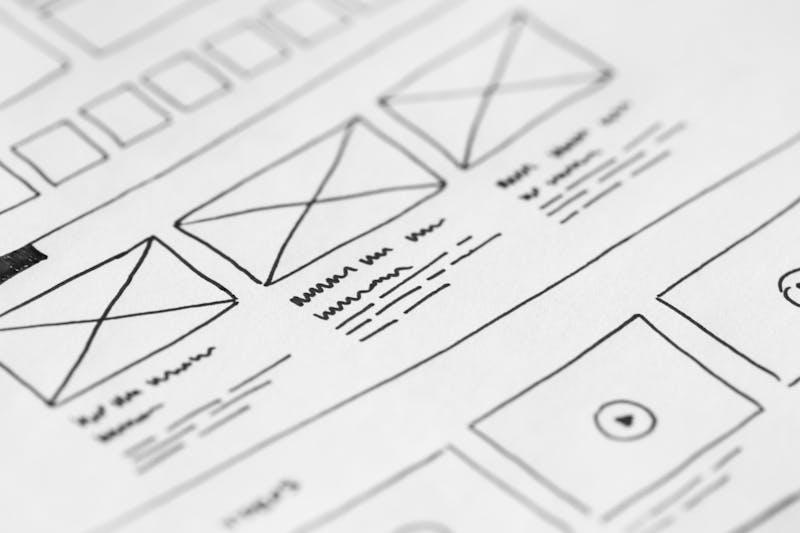
AI-Assisted Wireframing
Tools powered by generative AI allow designers to input text prompts (e.g., "Create a dashboard wireframe for a SaaS analytics tool focusing on user retention") and instantly generate high-fidelity layouts. This allows teams to iterate through concepts rapidly.
Maintaining Design System Integrity
Managing a complex design system across a large web application can be challenging. AI tools now act as "design linters," scanning web development code and Figma files to ensure all components adhere strictly to the brand's HSL color variables, typography scales, and spacing tokens, preventing visual inconsistencies.
3. Accessibility Enhancement through AI
Creating an accessible web experience is a moral and legal imperative. AI is making it easier to ensure compliance with WCAG (Web Content Accessibility Guidelines).
- Automated Alt-Text: AI models can accurately analyze images and generate highly descriptive alt-text for screen readers, improving both accessibility and SEO.
- Dynamic Contrast Adjustment: AI can automatically detect when text over an image lacks sufficient contrast and subtly adjust the background gradient to ensure legibility.
- Voice UI Generation: Instantly translating visual interfaces into navigable voice command structures for users with motor disabilities.
4. The Future of Branding and Design
While AI provides incredible leverage, the defining factor of premium design remains human intuition, emotion, and strategic brand positioning. AI can generate a layout, but human designers ensure that layout evokes the right feeling and aligns with the brand's core identity.
At Wonder Media Solutions, we leverage cutting-edge AI tools to enhance our branding and design processes, allowing us to focus more time on high-level strategy and pixel-perfect execution. We build digital experiences that are not only technologically advanced but deeply human-centric.
Elevate your brand's digital experience. Contact our design experts today.